Do you with you could play a musical instrument but find that something always gets in the way of learning? Well, this summer could be the perfect time to get started. Yamaha Music are holding a series of free Learn to Play music lessons on a variety of instruments including pianos, guitars, drums and violins on 8th and 15th September 2018 at the Yamaha Music store at the heart of London. We'll provide the instruments, the starter lesson with a professional teacher and the INSPIRATION all for FREE!
We asked our musicians for their best tips for learning a musical instrument - so, even if you can't make it into our London store, it's still a great time to take your first step. Here is the first of our Learn to Play help guide/blogs packed full of useful advice, whatever your level or ability, to set you up to succeed on your learn to play adventure.
Here are our top 5 tips:

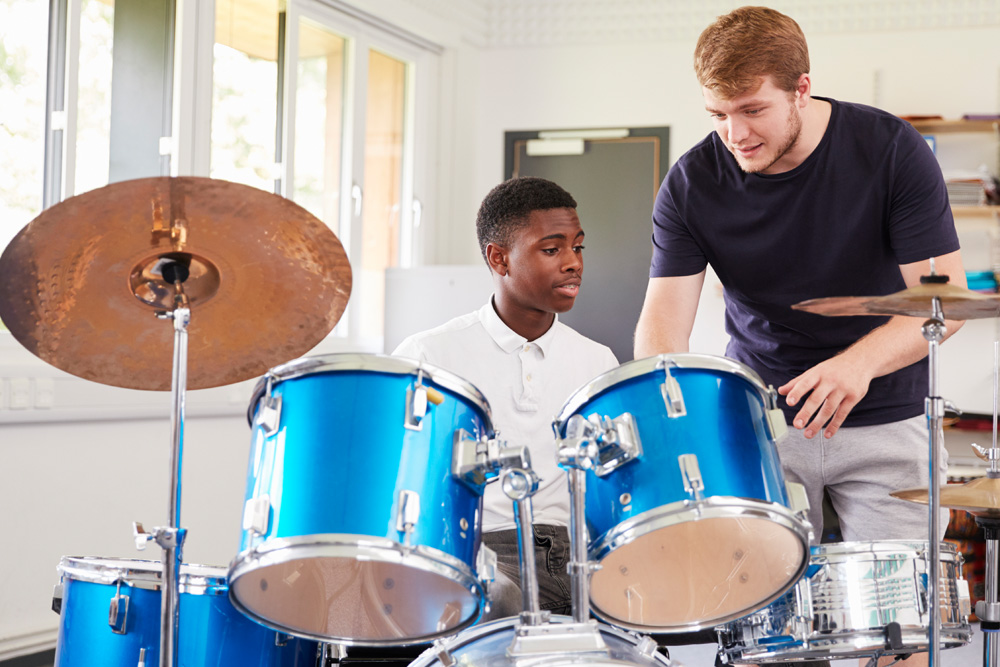

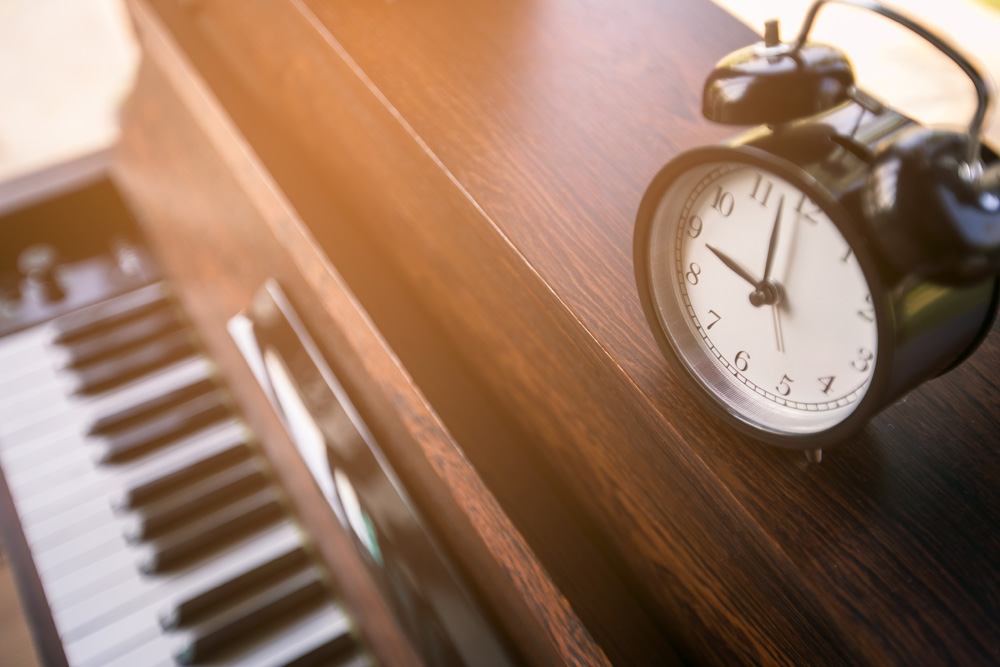
The thought of having to practise for hours on end every day would put most of us off before we've even picked up an instrument. So how long do you actually need to practice for - and how often should you do it?
Surprisingly, you've probably spent more time stood in a supermarket queue or waiting for a bus or train than the length of time you need for daily practice.
Psychologists have a wealth of research that shows how our concentration changes over time. For most of us, we're happy and able to pay attention for up to 18 minutes before we tune out - something also found by the organisers of the world-famous online TED talks. Imagine what you could achieve if you invest just 18 minutes of your time every day to practice?
It takes commitment - the effects of practising tend to be partially cumulative so missing days can hold you back; instead develop a consistent habit even if one day you can only afford a few minutes to play.
Most of history's greatest musicians spent their lives practising and performing. Dizzy Gillespie, the famous jazz saxophonist, practised for twelve hours a day for many years whilst guitar legend Jimi Hendrix was said never to have put down his guitar - even taking it with him to the bathroom! Likewise, concert pianists will regularly practise for at least 5 hours every day (increasing that time when preparing for a performance).
If you're full-time, professional musician, you're probably doing all of the above already. For the rest of us, those extremes aren't necessary but you do have to put the time in and be prepared to practise daily even for a few minutes. When we're not in the mood for to practice pieces given to you by your teacher, take a short break and play something you know and enjoy.

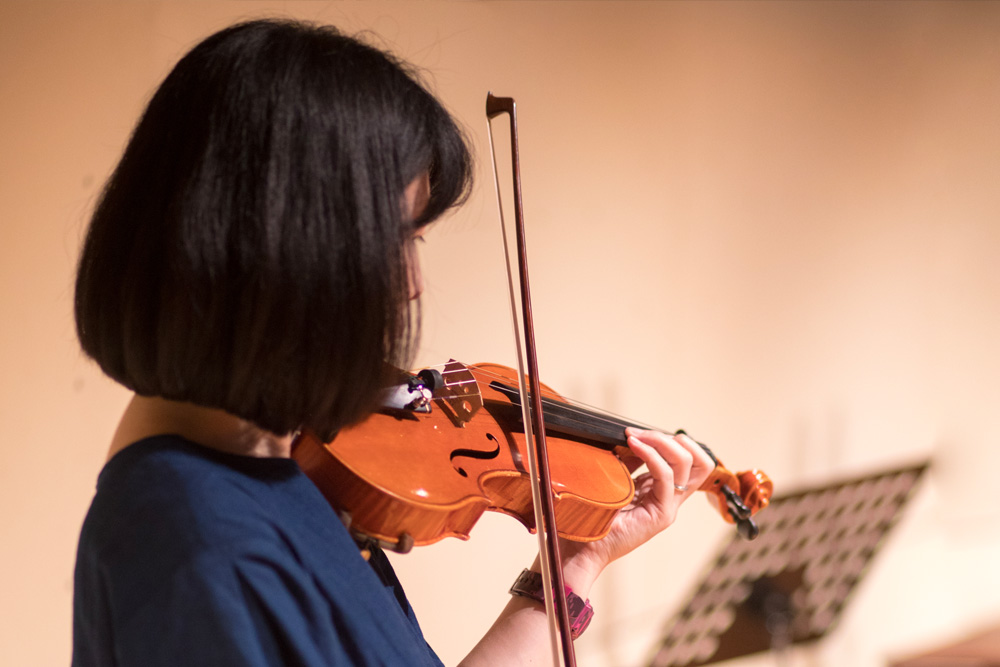
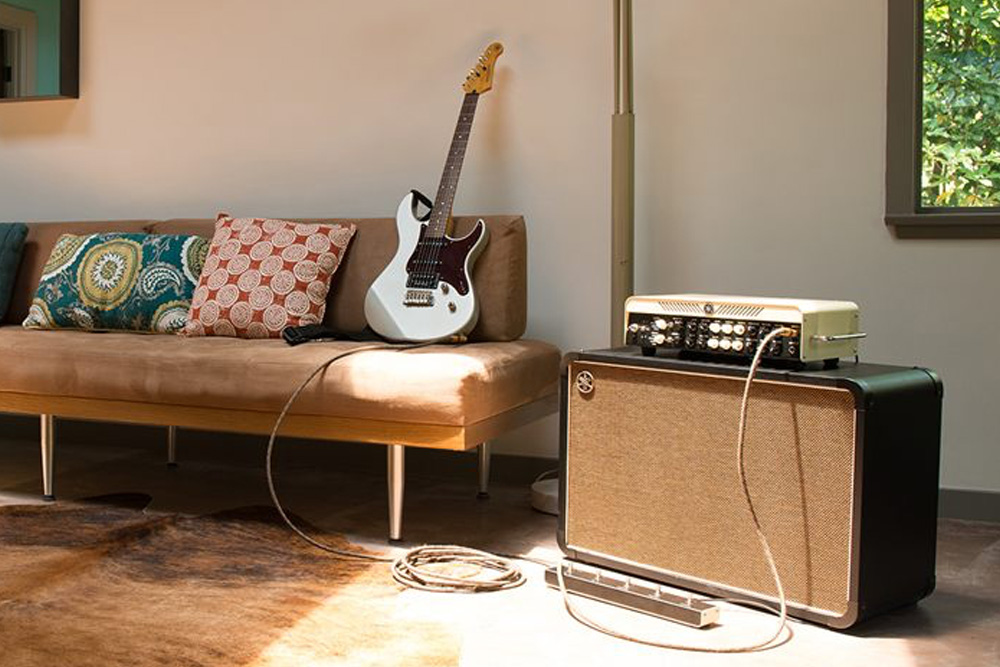
It's important to have your own space to practise, where you feel comfortable and are able to focus. Find a spot, a corner under the stairs, your bedroom or garage; it doesn’t matter where, as long as it is away from distractions so that you can totally concentrate on playing. Having the routine of going to the same place every time also helps you find the right mindset.
Wherever you choose, it needs to be a place that's safe to leave your instrument ready to play (or ready to assemble quickly) so you can get straight to practising. The area also needs to be well-ventilated and well-lit; if you play sitting down, find a chair or stool (ideally with an adjustable height) and ideally a sturdy music stand (that doesn't wobble of fall over when you're writing notes).
Have everything you need close to hand; water to drink, paper & pencil to make notes with, a clock (or watch), a tuner, a metronome and your music within arms reach. All these things are easy to misplace and it can easily take up your entire practise time searching for them. If you don't have a tuner or metronome but do have a smartphone or tablet, there's a variety of free and low-cost apps you can use instead.
Distractions are the nemesis of the practising musician. Make sure your practise room is free of them - no TV, no laptop and only a phone or tablet if you need them for time keeping or practise-aid apps.


Are you a morning or evening person? What fits in with school, college or work and family commitments? Decide what times of the day works best for you. If you like practicing in the morning, get up an hour early so that you won’t be late for work. Set aside time for practise each day - if you stick to the same time, friends and family will understannd that you are occupied and know not to disturb you. If you can schedule practise to leave a gap before and after other appointments and events, your mind will be more able to completely focused on music.
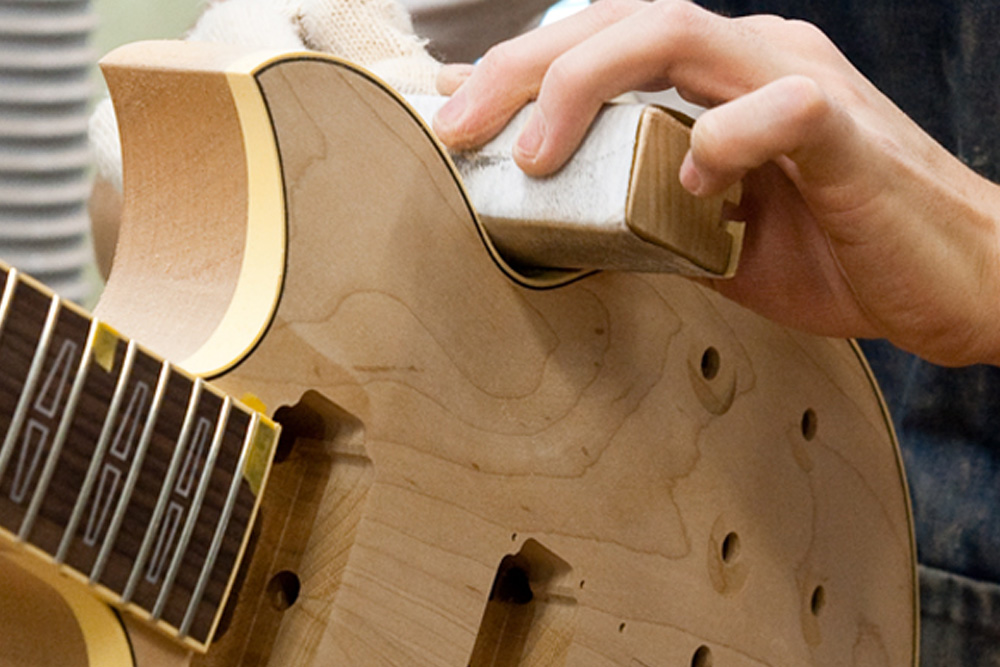
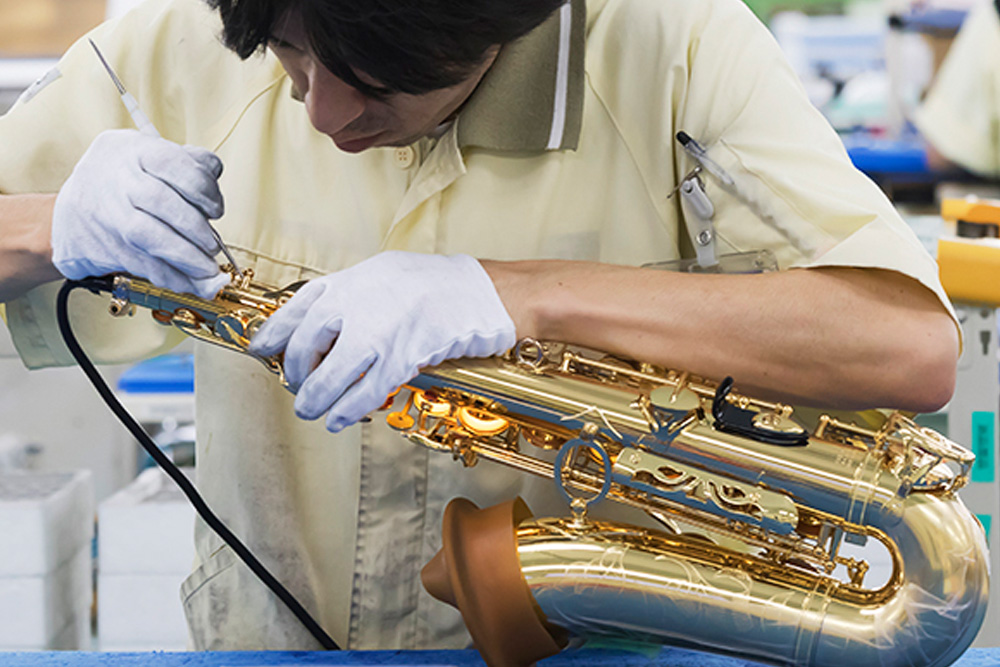
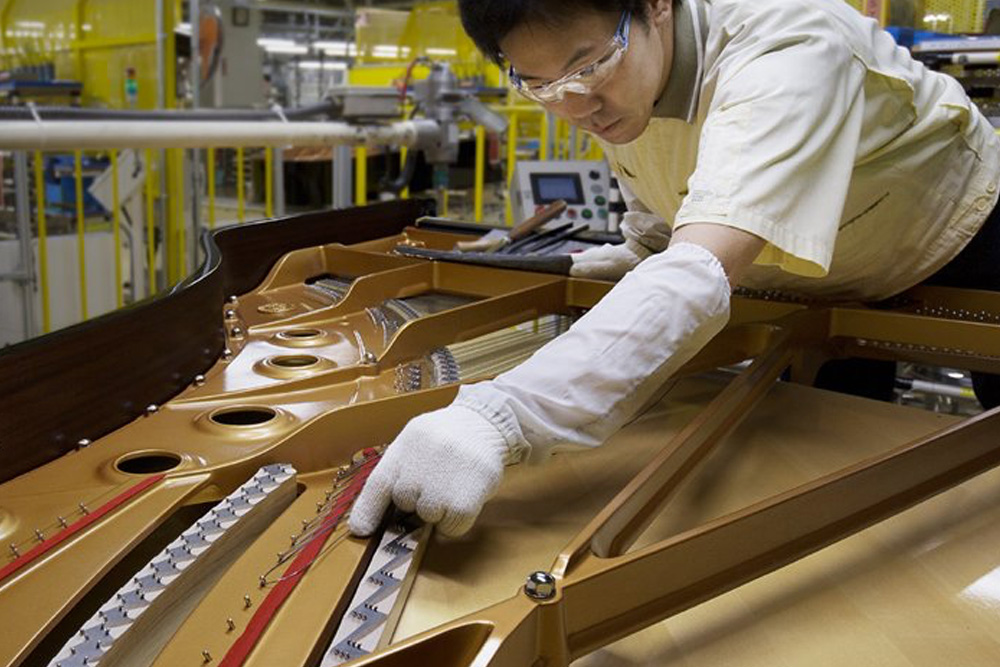
Like any other colleague you work with, playing will go far more smoothly if your musical instrument offers high performance, performs consistently and works with you rather than against you. At Yamaha, we're hugely proud of our world-class Custom and Artist instruments - but we take just as much pride in our beginner and student models, ensuring that they offer the best possible playability, sound and consistency in their response. Ultimately, this means that the instrument will respond entirely predictably - and you won't need to be trying to compensate for erratic intonation or timbre.
It's important to always take good care of your instrument and, if a problem seems to be developing, don’t wait - have it checked as soon as possible.
What if the most convenient regular time slot you have for practising is when the kids (or the neighbours) are asleep in bed? Ordinarily, unless your music room is sound-proof or positioned some distance from the rest of the house, late evening would be immediately ruled out.
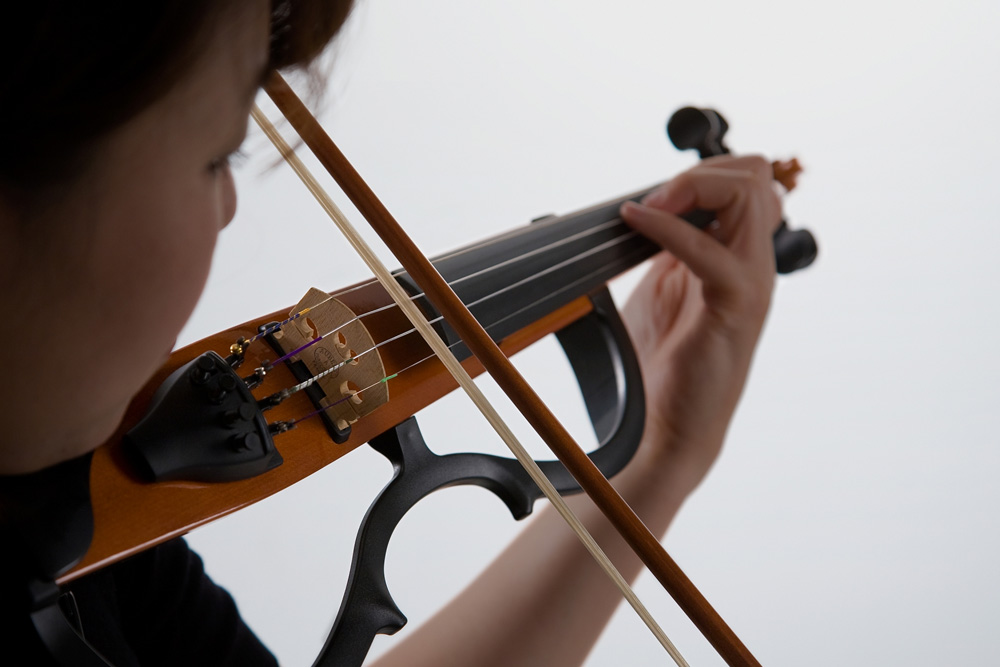
But at here at Yamaha, we don't settle for ordinary. Our award-winning Silent Technology allows brass players, drummers, violinists, pianists, keyboardists and guitarists of all levels to practice almost anywhere, at anytime - without disturbing those around you. Instruments can be played almost silently using headphones - and although the acoustic sound to the outside world may be barely a whisper, you’ll hear a completely natural and normal sound via the headphones.
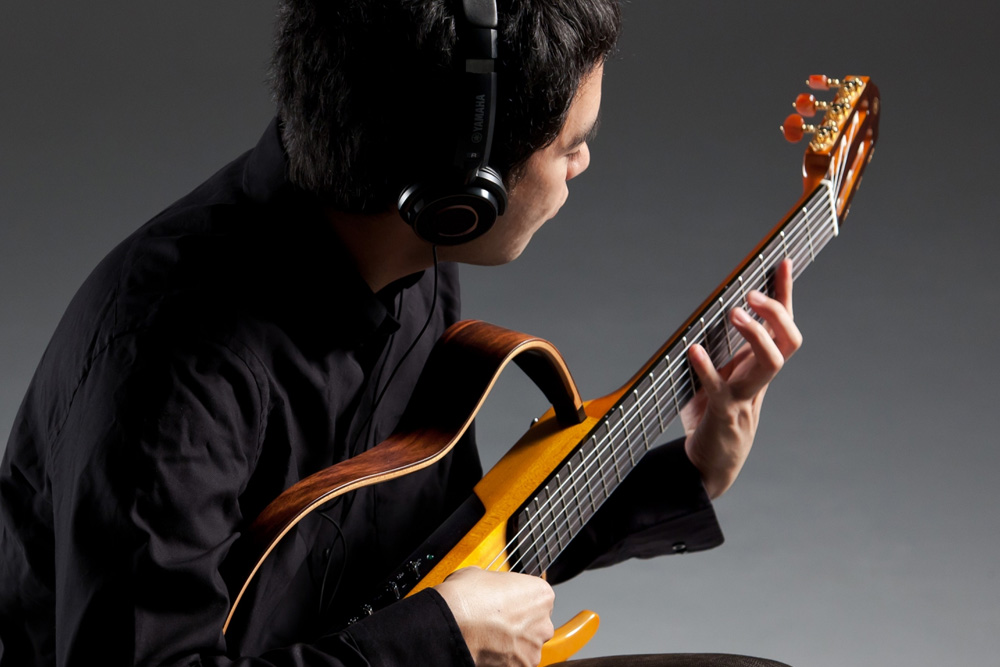
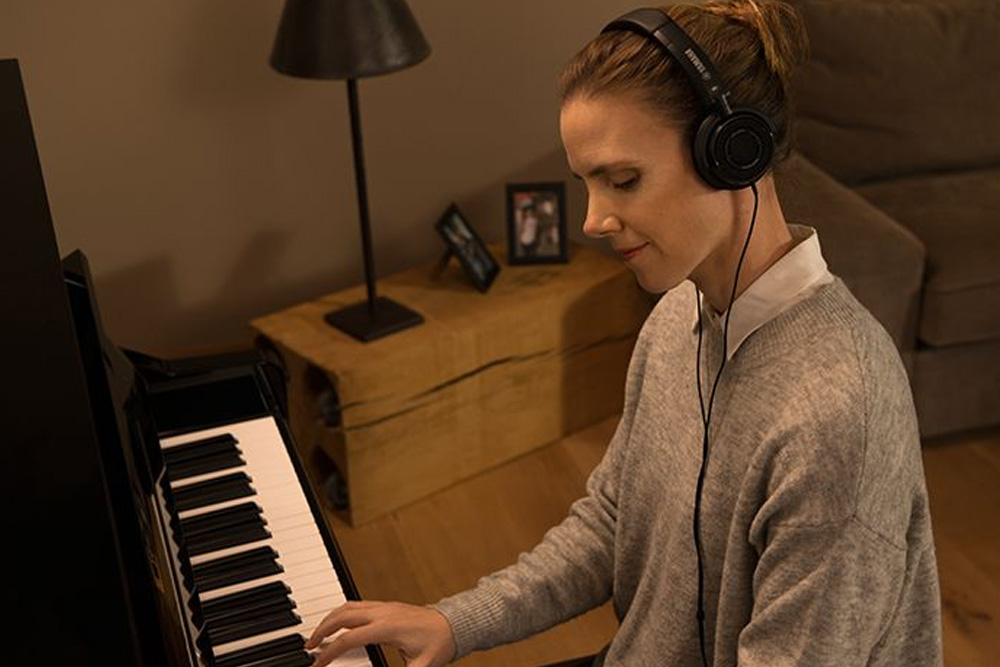
Just as with a physical workout, a warm-up before practising music is essential. It prepares your muscles, making your hands and fingers more flexible and crucially reduces the danger of any strains. It also helps you to practise specific techniques and fingering which directly benefits the music you'll be playing. You wouldn’t run a marathon without stretching first, and the same principle applies to playing an instrument. Veteran musicians invariably bookend their playing with warm-ups (and breathing exercises for brass and woodwind players) and cool-downs.
It would be very tedious if you plough through the same warm up every day; your mind will wander before you've even started practising. First of all, prepare your body and mind for work and take notice of how you’re feeling. Take a few deep breaths to calm and centre yourself, be aware of any tension in your body and tell your body to relax. Remind yourself of the day’s goal either silently in your head, or state it out loud.
5 to 10 minutes of warm up is plenty of time when you're a beginner. Whether playing scales or practising instrument keying, warming up will get your muscles moving but also reinforce and strengthen your technique.
Don’t always play the same scales and do try mixing in basic sight reading. Playing the scales of the key signatures your pieces are in will help connect your warm-up directly to your practice, whilst technical studies such as pentascales for piano or long bowing for stringed instruments will help loosen fingers and joints.
If you start developing aches and pains, listen to your body. Does your back hurt every time you sit down to practice? If so, check your posture and chair but don't put off seeing a specialist if the pain doesn't subside. Are you straining to read the music sheet in front of you? Optical vision issues are usually easily corrected by a trip to your local optician. If you’re having trouble hearing the difference in pitches or tones, a hearing test could be just as valuable. Listen to your body if something doesn't feel quite right - and don't put off booking a check up with your doctor.



Stuck for twenty minutes waiting for a train? Uni lecturer held up in traffic? You don’t have to have your instrument with you to practise! As most professional athletes do, many musicians use visualisation to imagine playing through their music. Whether you visualise playing the part perfectly in your practice room or on stage in a concert hall, the visualisation can be surprisingly effective. And, spending some time away from your instrument and focusing purely on the music in front of you can make a big difference to your mental and physical performance when you do get back home. Keeping some music with you means you'll always be able to make use of the time when travelling on a train or when taking a lunch break.
Listening to great artists and analysing their music can also be hugely beneficial. It will help you to understand your instrument, its repertoire, the history of the periods of music and how music's evolved through those periods. For key pieces, look into the history and composer's background to gain an understanding of how the composer intended the music to be played. As with visualisation, this can be easily done in a spare few minutes with the help of a smartphone and earphones.
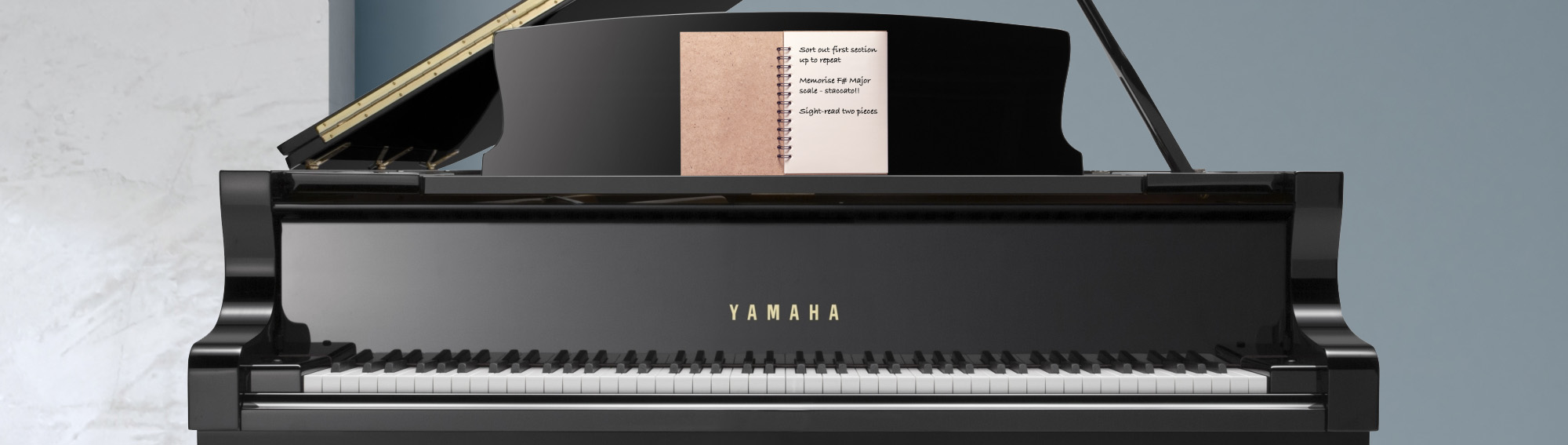
Before you even get to your music santuary, ask yourself - "what do I want to accomplish today?" Do you want to memorise a piece of music? Do you need to work on breath stamina? If start practise with a goal in mind, you will be focused, motivated and more likely to achieve it.
Break each goal down into smaller, focused objectives. When a piece is proving troublesome, practice it in short sections, line by line or phrase by phrase. The brain learns and remembers small chunks of music and the playing context around it more easily than it does a full piece. Take it slowly, gradually increasing tempo over the space of a week (you'll likely find you do this anyway). And, if you've been working for a long time on a problematic section without making any apparent headway, try coming back to it tomorrow - the chances are you'll find it much easier.
Being able to identify weaknesses in your own playing and learning how to shape your practise to strengthen those areas will be very important to your music education. If unsure, ask your teacher for a few, clear goals to work towards before the next lesson. In a music journal or practise notes, write down your goals and keep them in mind when you practise each day. At the end of each session, keep a note of how much nearer you are to reaching those goals. A music journal is a great way to write down any frustrations, record your successes and, of course, to track your progress.